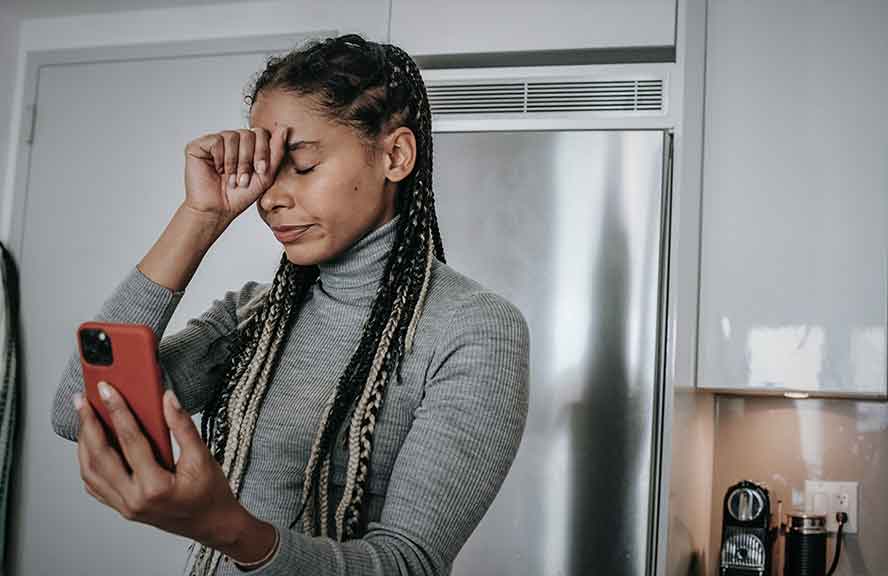

Valentine’s Day is something you are already familiar with. It’s not new to you, even if you may not fully know its origin or how it became known as a celebration of love. Over time, through different periods and cultural shifts, it has grown into what we now recognise as a global day centered around love.
It had traditionally been seen as a day for lovers; now, it is also about celebrating love in different forms, whether with friends, family, or even yourself. However, alongside this evolution, it has also become highly commercialized and amplified by social media. It often feels like everyone is competing to prove they have the best partner, the most thoughtful gift, or the most picture-perfect relationship, all for the highlights that you get to see.
And there’s no denying that these things can impact you. Even if Valentine’s Day feels like just another day, you still live in a society that treats it as something significant. And while it can be joyful and exciting for some, for others it can be emotionally complex.
How Valentine’s Day Impacts Your Mental Health
Now, talking about Valentine’s Day and mental health, this is an important aspect to consider because obviously, whatever you are engaging in, you need to consider your mental wellbeing. It’s easy to treat Valentine’s Day as just a celebration, but the emotional effect it can have on you should not be ignored.
We also have to look at the two sides of the coin here. There is the positive impact it can have, and there is the negative impact. It’s important to examine both sides and be honest about it, just to make sure you are not overlooking how it is actually affecting you.
This is where self-awareness, comes in. You need to be aware enough to recognise which side you are experiencing. If it is affecting you positively, then that is good and it can remain that way. But if it is affecting you negatively, then that is a sign that something needs to change or be addressed.
Positive Impact
Let’s start with the positive impact.
- Valentine’s Day reminds you that love exists in different forms, which makes you think of different ways you can spread love, which is a simple but meaningful way to connect with others.
- It can create a sense of connection and belonging, which is something that helps you feel good as a human, having people you can relate to and share moments with.
- It can strengthen emotional bonds in healthy relationships, helping you feel more secure, supported, and connected, which is good for your mental well-being.
- Valentine’s Day can inspire acts of kindness, and as you know, practising kindness makes you feel good about yourself and reinforces positive emotions.
- It can boost dopamine and oxytocin through bonding experiences, which are the “feel-good” hormones that support happiness and emotional connection.
- It becomes a day to remind you to practice self-love, which often leads to self-care, reflection, and nurturing your own mental health.
- There is joyful anticipation and excitement that comes with looking forward to the day, and that feeling itself can lift your mood and create positive energy.
- It can make you feel appreciated and valued, especially when you receive thoughtful gestures, gifts, or words from someone you care about, which can boost your mood and self-esteem.
- It can encourage reflection on the relationships you have, helping you recognise which connections bring positivity and support into your life.
- Valentine’s Day can motivate you to reach out and reconnect with people you may have lost touch with, creating opportunities for renewed bonds and emotional support.

Negative Impact
It has sometimes been thought that the negative impact of Valentine’s Day on mental health outweighs the positive. But just like the positive side, here are ten negative impacts it can have:
- Loneliness, which can happen because the day constantly reminds you that you’re single, not married, or not in a relationship, making you feel isolated or left out and can also be a trigger for people dealing with heartbreak, divorce, or loss.
- It can intensify feelings of sadness or low mood, and worsen depression, by making you focus on what’s missing in your life.
- It can make you feel worse about yourself, increasing anxiety and worry about not having your expectations met.
- You might spend a lot of time online seeing who gave what to whom, which can lead to comparing your own life or relationships to others.
- Even if you’re in a relationship, it can make you compare your partner or your bond to other couples, creating unnecessary dissatisfaction.
- You may feel like everyone else is happy and having the perfect day, forgetting that what people post is often just for show.
- The pressure to perform, whether giving gifts, planning surprises, or doing something “special,” can create stress and anxiety.
- There’s financial stress and pressure to buy gifts, plan dinners, participate in celebrations, or appear in your best outfits, which can be huge, especially when money is tight.
- There can be heightened emotional sensitivity, where even small setbacks or disagreements feel bigger than usual because of the emotional weight society places on the day.
- Valentine’s Day is a constant reminder that love is supposed to look a certain way, reinforcing societal pressure and making you feel inadequate or like you’re falling behind.
Practical Ways to Protect Your Mental Health on Valentine’s Day
- Remember that just because it is tagged as a day for lovers, it doesn’t mean love has to be expressed only on that day. Don’t put pressure on yourself to feel like this is the only day you deserve to be loved.
- If being on social media and seeing how others celebrate their love stresses you out, it’s better to take a break from social media for the day. It will do more good than harm.
- Try not to compare your relationship with others. People only show what they want you to see, not everything that’s happening behind the scenes.
- If you’re single, remember that being single isn’t a crime. You can spend Valentine’s Day enjoying your own company, doing fun activities, or even treating yourself to something special.
- Set realistic expectations for the day. Avoid putting too much pressure on yourself or your partner to have a “perfect” celebration, and focus instead on what feels meaningful to you.
- If you feel financially pressured to do something big, communicate openly with your partner about what’s possible. You don’t need to compete or overspend to prove anything.
- Focus on self-care. Use the day to do something that genuinely makes you happy, whether it’s sleeping, having a spa day or simply doing nothing.
- Reach out to friends or family if the day makes you feel lonely. Celebrating love doesn’t have to be romantic, it can also be about meaningful connections with people who care about you.
- Reframe the day in your mind. Instead of seeing it as a measure of your worth, view it as a reminder to appreciate the love you already have in your life, in all its forms.
- Last but not least, practice gratitude. Take a moment to reflect on the relationships, friendships, or even small acts of kindness that make your life richer, focusing on what you have can balance the pressure of the day.
Conclusion
I hope that by reading this blog post, you’ve gained a better understanding of how Valentine’s Day can impact your mental health, both positively and negatively, and also learned some ways to protect your mental well-being during this time.
However you choose to spend your day, just remember to prioritise your mental health and take care of yourself first. Celebrate in a way that feels right for you, and don’t feel pressured to follow what others are doing.
If you found this post helpful, please share it with someone who might benefit from it too.
RECOMMENDATION
If you need help or know someone with their mental health or mental illness, check out the resource page for mental health resources.