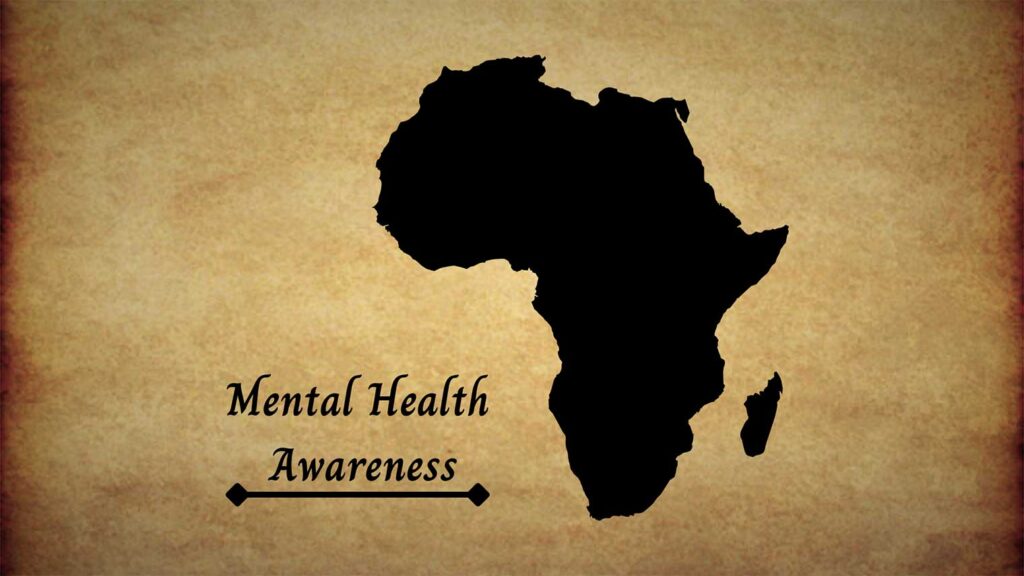
Mental health awareness in Africa is important for various reasons, though the ignorance of the importance of mental health has led to a long history of neglect of mental health in Africa’s health and development policy agenda.
Prioritising mental health comes with other healthcare benefits. And there are various reasons why mental health should no longer be neglected in Africa. Through mental health awareness, most of the mental health problems we face in Africa can be tackled.
Before we discuss why mental health awareness in Africa is important, we need to first understand what mental health and mental health awareness are.
What is Mental Health?
Mental health is a state of psychological and emotional well-being that affects the way we think, feel and act. The state of our mental well-being influences the way we interact with the world. It allows us to cope with life situations, learn, form relationships, make decisions and so on.
Mental health is sometimes confused with mental illness. Mental health is the foundation of our emotions, thinking and behaviour, while mental illness involves changes in those emotions, thoughts or behaviour.
Mental health is more than the absence of illness. A person can have poor mental health without having a diagnosed mental illness, and the two are closely connected.
What is Mental Health Awareness?
Mental health awareness is an effort to inform and educate people about mental health conditions and mental illness, to decrease the stigma and misconceptions surrounding these topics.
Mental health awareness creates an opportunity for people who struggle with mental health conditions to understand their symptoms and get help or treatment. It also helps improve the healthcare system and creates easy access for people to get better.
How Does Africa View Mental Health?
There are many myths and misconceptions about mental health in Africa. It is often considered a taboo topic. The issues of mental health conditions are often associated with spiritual matters in Africa. People living with mental illness are stigmatised and discriminated against. Largely because it is believed to have been caused by a spiritual factor, either being bewitched by an evil spirit or a curse placed on someone as a form of punishment.
It is impossible to deny the fact that many events that occur in a typical African society are influenced by spiritual and other mystical factors. And it is no surprise that mental health matters are not exempt from that.
A lot of factors cause and contribute to mental health problems in Africa, and the population of people suffering from various mental health conditions is on the rise. Mental health awareness in Africa should not be underestimated or ignored to tackle this problem.
How Africans see mental health is a much bigger conversation than one post can hold. What is clear is that the view is still largely a negative one.
I have written in more detail about these myths here: 10 Common Misconceptions About Mental Illness In Africa

Also Read: What Men’s Mental Health in Africa Really Looks Like
Why Mental Health Awareness in Africa is Important
Although mental health awareness is a universal topic, Africa is still at the beginner’s level in dealing with mental health issues compared with other parts of the world.
There are many reasons why mental health awareness in Africa is important, but here are three reasons.
Mental Health Is as Important as Physical Health
Mental health should have the same importance as physical health. In Africa, there are a lot of organisations, facilities, healthcare centres and services set up to tackle illnesses and diseases that affect the physical body, like diabetes, for instance. As much as there is a need for physical body care, there is also a need for mental care.
Many mental health conditions can be effectively treated at a low cost, yet investments in the treatment of mental health problems remain relatively low. Through mental health awareness, the need for the establishment of facilities to carry out research for effective mental health treatment and the provision of easy access to quality and affordable care can be achieved.
The state of a person’s mental health can affect their physical health too. Both are important, and both deserve proper attention.
The Increase of Mental Health Problems in Africa
As Africa’s population grows, mental health problems appear to also be increasing in Africa. There is an immediate need for mental health awareness to help tackle some problems, like the lack of adequate mental health care support and limited access to treatment for mental illnesses.
It is so disheartening to know that millions of people live with one form of mental health condition, while there are only a handful of mental health facilities and qualified personnel. Nigeria, for instance, has a population of well over 200 million, yet only a few hundred psychiatrists serve the entire country. Other African countries face the same shortage or worse.
Mental health awareness in Africa can make the case for more services to match a growing population, so that people living with mental health problems can actually access the help they need.
Decrease Stigma and Misconception, Educate and Inform
Education and information are two of the most effective ways to decrease the stigma and misconceptions surrounding mental health and mental illness. Once people understand what these conditions actually are, it becomes easier to recognise why mental health care matters in our daily lives.
Through mental health awareness, caregivers, families and individuals can learn about mental health conditions, treatment, self-care, and how to support themselves and the people around them. This will not only decrease the stigma around mental health issues in Africa and improve the healthcare system, but also contribute to the social and economic development of the continent.
Conclusion
Mental health has been shunned for too long, and neglecting it will make it more difficult to reach many important social and developmental goals in Africa. We should prioritise it and make it part of our daily lives. No part of the healthcare sector should be ignored, least of all mental health.
Author: Chinasa Lovlyn Nwachukwu is a mental health coach and writer passionate about raising mental health awareness across Africa.
DISCLAIMER
This post is for information and awareness only and is not professional advice. If you are struggling with your mental health, please speak to a qualified professional.
If you need help or know someone struggling with their mental health, please visit our resource page.