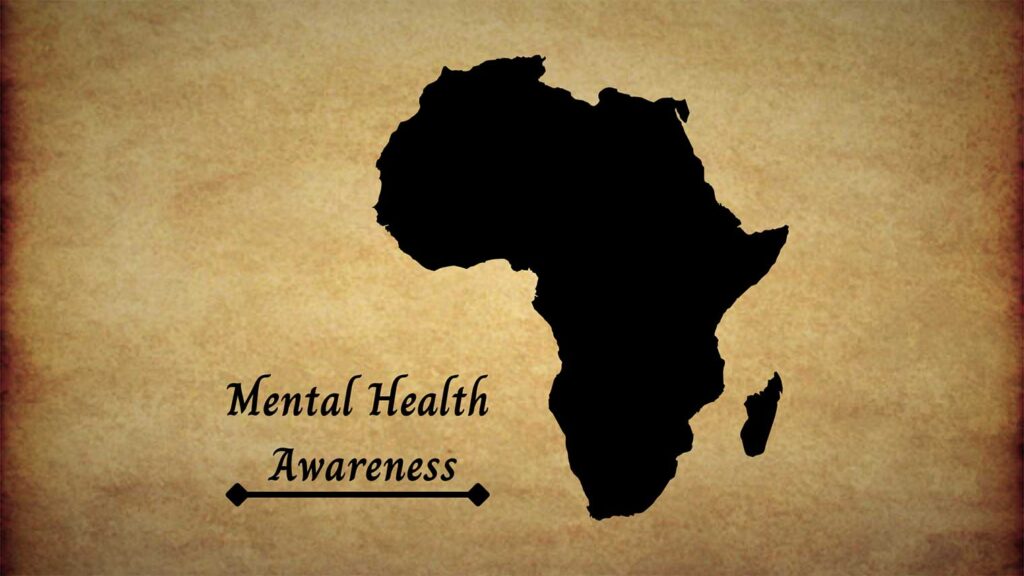

For a very long time in Africa, being mentally ill did not mean getting help. Instead, it meant being locked up, chained, beaten, or treated like a criminal. Many people suffering from depression, schizophrenia, bipolar disorder, or other mental health conditions were not treated like patients. They were treated like problems.
This did not just come about by accident. The reason why this came to pass in Africa is because the laws regarding mental health in most of these countries were inherited from colonialism. These laws were not designed to heal people. Instead, they were designed to protect people from them. Mental illness in Africa, therefore, came to mean criminality, stigma, or misunderstanding.
However, there is still a turning point. Slowly but surely, these laws in Africa are changing to acknowledge that mental health is a human rights issue.
This blog aims to give a brief overview of where we came from, what has changed, and why Nigerian citizens’ experiences matter for the future.
The Old Way: When The Law Was Concerned With Control, Not Care
Most laws regarding mental health issues were enacted during the colonial era. During this time, the concern of the government was “public order” and not “human dignity.” People who were different were considered dangerous and unpredictable.
The laws were written using harsh and insulting words such as “lunatic,” “idiot,” and “person of unsound mind.” These words defined how society treated those with mental health issues. They made abuse and mistreatment seem normal and acceptable.
Instead of asking how to treat and rehabilitate those with mental health issues, the law was more concerned with how to get rid of them from public spaces.
Examples Across Africa
In Ghana, the old mental health law from 1972 was only concerned with psychiatric hospitals. If you were mentally ill and lived in the community, you had no protection from the law. You could be abused at home, in prayer camps, or on the street, and no one would do anything about it.
In Uganda, the mental health law was enacted in 1964 and referred to human beings as “lunatics.” The purpose of this law was detention, not treatment. Police officers had the authority to lock people up without any medical examination.
In South Africa, the mental health law was enacted in 1973 and was used during the Apartheid era. This law was used as a controlling device against certain communities in South Africa.
In all these countries, the same thing happened. Mental illness was seen as a threat. People were isolated in huge hospitals, away from their families, and deprived of dignity. This left a massive legal gap, which lawyers refer to as a lacuna, between human rights and actual protection.
The Turning Point: A Case That Changed Everything
In 2003, a historic case called “Purohit and Moore v. The Gambia” marked the turning point in the discussion of mental health in Africa. The African Commission on Human and Peoples’ Rights (ACHPR) held that people with mental illness have the right to health and must be treated with dignity. The commission clearly pointed out that it was not possible to lock a person away without any kind of care, review, or protection.
This decision was also important because it recognized something that was very simple yet very powerful: that mental illness doesn’t take away your humanity. After this case, many African governments realized that their old laws were no longer acceptable. Reform had become unavoidable.
New Laws, New Thinking – Country Reforms Across Africa
1. Ghana’s Fresh Start
Ghana made a major step in 2012 by replacing its colonial law with a new law on mental health. This law shifted the focus from punishment to care. The law established a Mental Health Authority to monitor hospitals and facilities. It also prohibited abusive practices such as chaining, flogging, and confining people in prayer camps.
Ghana made a further leap in 2023 by removing attempted suicide from its laws. Now, if a person tries to take his or her life, the person is treated as one who needs help, not handcuffs.
2. South Africa’s Rights-Based Approach
South Africa’s Mental Health Care Act of 2002 is one of the most progressive mental health laws in Africa. The law protects patients’ rights. If a person is admitted to a mental health facility against his or her will, doctors are required to review the case within 72 hours. There are review boards that monitor mental health facilities to ensure that patients are not abused or neglected.
After the tragic incident at Life Esidimeni, where patients died due to poor care, South Africa is now more serious about accountability, licensing, and funding for mental health care.
3. Uganda’s Break from the Past
Uganda replaced its outdated mental health law, which was enacted in 1964, with the new Mental Health Act of 2019. The new law does not use dehumanizing language and has eliminated the word ‘detention’ and replaced it with ‘admission for treatment.’ Medical professionals are now the ones making decisions, not police officers.

Why Criminalization Is Still A Big Problem
Mental health continues to be criminalized despite the new changes. Suicide attempts are still illegal in some African countries. This means that if an individual attempts suicide but does not die, they are arrested and charged for the crime of suicide. This discourages people from seeking help, and there is added shame. Another major concern is the use of prisons as waiting rooms. This is because of inadequate hospital beds and doctors. Due to the shortage of hospital beds, some of those suffering from mental illness are forced to stay in prison cells awaiting treatment. This is a violation of their rights.
What Can Make Mental Health Laws Work Better
Simply passing new laws is not enough. To really protect those who are mentally ill, governments should take action. First, mental health should be well-funded. Most countries in Africa allocate not more than five per cent or less of their health budget to mental health. This is not enough to build hospitals, train professionals, or buy medication.
Secondly, mental health care has to be brought closer to people. People should access mental health care in clinics near their homes, not in hospitals far away in cities.
Thirdly, the Governments should use traditional or faith healers. Many people respect them. With proper training, they can help people, not harm them.
Lastly, there is a need to eliminate stigma. Mental illness is not a curse, a sin, or a weakness. It is a health condition.
Nigeria as A Case Study: From Locking Up To Helping
For over 60 years, Nigeria has been using the Lunacy Act of 1958. This act considered mentally ill people to be criminals and used very derogatory terms to refer to them. In January 2023, Nigeria started the implementation of the National Mental Health Act 2021. This act is a radical change in attitude. The act prohibits chaining, beating, or ill-treating people for mental illness. It also safeguards people against discrimination in employment and housing. It also promises mental health services in local health centers and not in far-off asylums.
At this moment, February 2026, that reform has not yet officially taken effect. The law hasn’t been formally repealed or changed yet, so suicide remains criminalized on the books while the decriminalization process continues. The aim is to replace punishment with counselling and medical care. The law also establishes a Mental Health Fund to aid in services, medication, and training.
Despite this progress, there are still significant challenges facing Nigeria. There is still limited funding, and some of the services promised are not yet operational. Nigeria is still facing a critical lack of mental health professionals. Currently, there are about 250 psychiatrists alone to cater to over a million people in Nigeria. Social stigma is still high in Nigeria. Many Nigerians still consider mental illness to be a spiritual issue rather than a medical one, making people afraid to seek help even when the law now protects them.
Conclusion
Africa is slowly moving away from a past where mental illness meant punishment and isolation. New laws across the continent show a growing understanding that mental health is a human rights issue. Nigeria’s journey shows both hope and challenge. The law has changed, but the real work is making those protections visible in hospitals, communities, and everyday life. The future of mental health in Africa depends on one simple truth: people with mental illness deserve care, dignity and understanding, not chains or prison cells.
RECOMMENDATION
If you need help or know someone struggling with their mental health, please visit our resource page.