Habits aren’t something new. It’s something we’ve heard about a thousand times, and you’ve probably used the word in different sentences before, so you understand it to a certain level. But what you may not really understand is why you have certain habits, why some habits are so easy to form, and why others are so hard to let go of.
So let me make this simple.
A habit is a behaviour or pattern you repeat so often that it becomes automatic. It’s something you do over and over again until it turns into something you do subconsciously, without even thinking about it. And the reason habits are so hard to drop is because you’ve gotten so used to them. You don’t wake up every day deciding to do them, you just do them.
Most habits don’t start out as bad. In fact, many habits begin as coping mechanisms, comfort, or learned behaviour. For example, someone who has gone through a difficult breakup or a painful relationship might decide they never want to feel that kind of hurt again.
So their coping mechanism becomes dating people casually, avoiding commitment, jumping from one relationship to another. At first, it feels like protection. It feels safe. It feels like control. But over time, that same habit can cause more harm than good.
And when habits are repeated long enough, they don’t just stay as behaviours, they slowly become part of your identity.
What Exactly Are Insidious Habits?
Insidious habits are the kind of habits that don’t look harmful at first. They often feel normal. Sometimes they even feel productive or like the right thing to do. That’s what makes them dangerous.
These habits grow quietly. They don’t announce themselves as a problem. Just like cancer can grow in the body without obvious symptoms at first, insidious habits grow in the background of your life. You might not notice them for years, until one day you start seeing the effects and wondering how you got there.
This isn’t something to be ashamed of. It’s not about blaming yourself. It’s about awareness. It’s about sitting down and honestly acknowledging what you do, understanding why you do it, and deciding whether it’s actually helping you or holding you back.
And that’s why this conversation matters, because becoming self-aware gives you a choice.
5 Insidious Habits You Need To Drop In 2026
Now let’s talk about the five insidious habits I don’t want you having in 2026. And the reason I’m saying this is because I genuinely believe you have what it takes to create the life you deserve, a life that is better and aligned with the path you actually want to go in.
These habits are not new. They’re actually very common, more common than we like to admit. A lot of people deal with them, and if you’re reading this, you probably struggle with at least one of them. The goal here isn’t to shame yourself, but to become aware and make a conscious effort to drop them.
1. People-pleasing
I want you to understand this clearly: no matter what you do, not everybody will like you. And if you’re constantly trying to please everyone by doing things so they’ll like you, always agreeing to what they ask, or putting their needs above yours all the time, it might not even make them respect you.
In fact, it often does the opposite. It makes people see you as someone who lacks boundaries or confidence. People are very quick to notice when someone is people pleasing, and once they do, that’s all they see. They don’t see your full potential or value anymore.
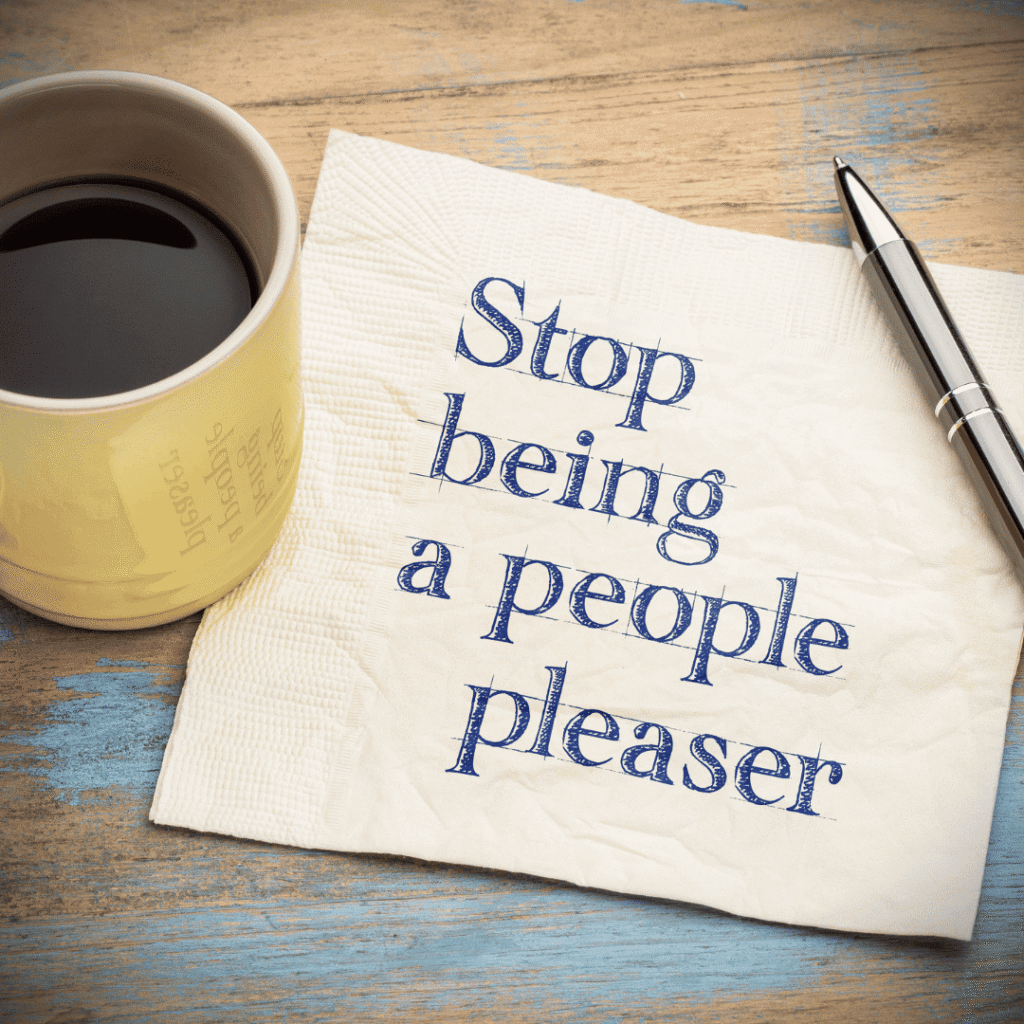
People pleasing is something many people develop subconsciously. In a lot of cases, it can stem from childhood experiences. For instance, growing up in an environment where nothing you did was ever good enough, where you constantly had to prove yourself or earn approval. Over time, you learn that being accepted means pleasing others. Then you grow up, and without realizing it, you’re no longer trying to please your parents or authority figures from your childhood, you’re trying to please everyone. Friends, coworkers, partners, strangers, everybody.
This is why people pleasing is insidious. On the surface, it looks like a good thing. It feels like you’re being kind, considerate, or selfless. At first, when you please someone and they praise you or appreciate you for it, it feels good. That feeling becomes a reward, and it pushes you to repeat the behaviour. But over time, the expectations grow. What once earned appreciation slowly becomes expected. And now you’re stuck in a cycle of constantly doing more just to meet expectations that keep increasing.
So the real question is this: how long do you want to live your life trying to meet other people’s expectations? Is that something you want to keep doing for the rest of your life? And I’m guessing the answer is no.
2. Procrastination
I honestly cannot count the number of people who procrastinate. Your neighbor does. The person living next to you does. A family member does. That’s how common it is. And it’s something I personally struggled with for a long time. But now it no longer has the same effect on me because I’ve learned to do things based on priority. If something is important, if it’s a priority, I do it first. Then I handle other things later.
That’s not procrastination.
Procrastination is when you spend more time on less important things and keep pushing the bigger, more important tasks aside because you feel like you need more energy, more mental space, or the “right time” to do them.
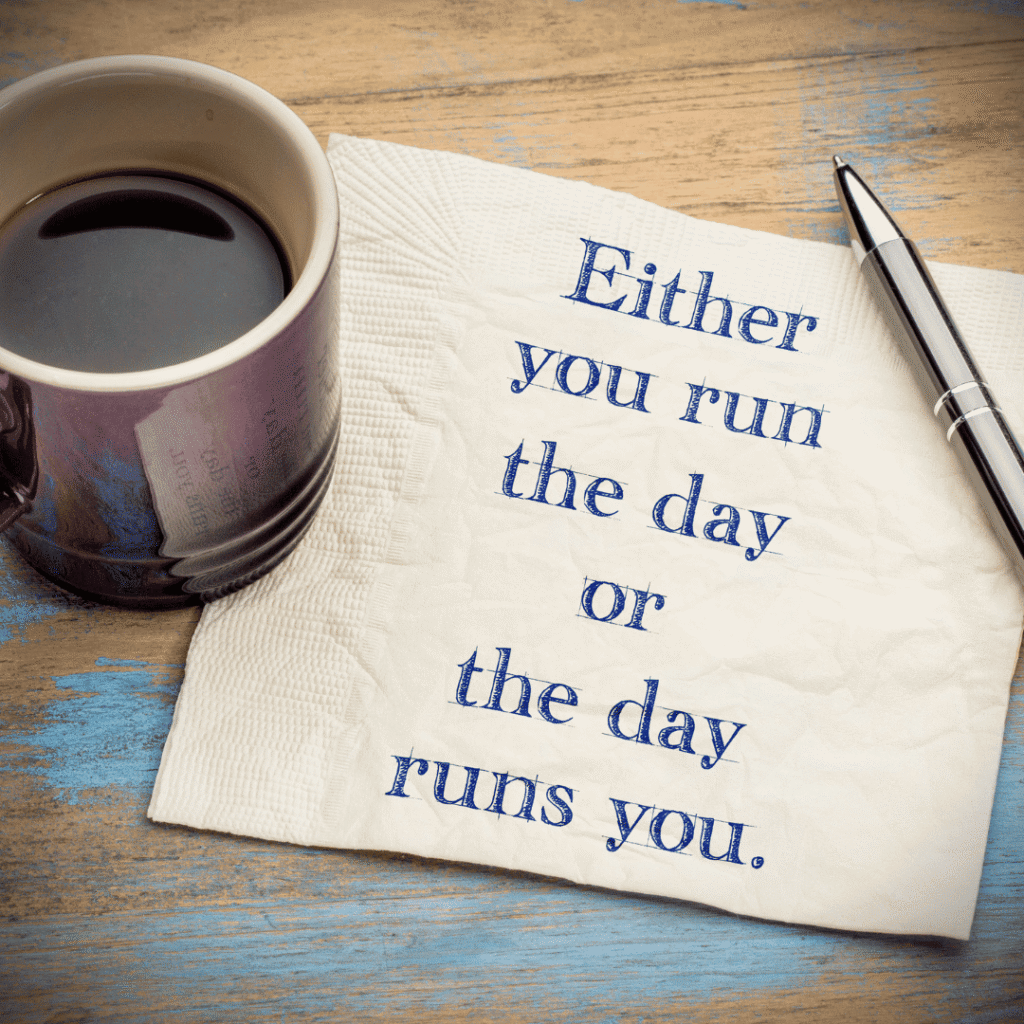
One way to deal with procrastination is this: when you remember something you need to do, do it immediately if you can. Don’t put it on a to-do list hoping you’ll do it later. There’s a high chance you won’t. Or when you do remember, you might feel too lazy or too tired to do it.
Another way to deal with procrastination is learning how to prioritize. What is important should come first. If something requires energy, time, money, or focus, put it in and get it done. Stop pushing it to “later.” Stop saying you’ll do it when you have more time. Chances are, you won’t magically have more time. You have the same 24 hours everyone else has. What makes the difference is what you choose to do with those hours.
You need to know what deserves your attention and what doesn’t. What needs more of your time and what needs less or none at all. Stop putting too many things on your plate and convincing yourself you can handle everything at once. That’s how burnout happens. And when you’re fatigued or burnt out, procrastination becomes even easier because you feel like you don’t have the mental capacity to deal with important things.
This is something you should be aware of going into 2026. You’ve probably told yourself you want to stop procrastinating, but let 2026 be the year you actually work on it. You don’t have to wake up one morning and suddenly never procrastinate again. It’s a gradual process. What matters is that you start and stay intentional about it.
3. Negative Self-talk
All that “I’m not good enough,” “I’m not smart enough,” “I can’t do this”, you have to drop it. You don’t need it. Imagine someone telling you, “You’re not good enough” or “You’re ugly.” How would you feel hearing that? So the question is, why would you say it to yourself? If you’re not comfortable with someone saying that to you, then why should you be comfortable saying it to yourself?
Negative self-talk doesn’t take you anywhere. I haven’t seen anybody, and I’m sure you haven’t either, whose thoughts are always negative, who constantly thinks about the worst possible scenarios, whose mindset and actions are centered around negativity, and then suddenly you see good things happening in their life. It doesn’t work like that.
We always say there’s power in words, meaning what you say can actually happen. And coming from an African community, we hear this constantly. But when it comes to practicing it, that’s where the problem is.
You know there’s power in words. You know that when someone says something bad out loud, you immediately say, “God forbid, it won’t happen.” But when it comes to yourself, why do you suddenly think it’s okay?

In 2026, start small. If you’ve been thinking negative things about yourself for a long time, begin to change it little by little. Don’t look at yourself in the mirror and say, “Oh God, I’m too ugly.” Say, “I look good today or my hair looks good today.” That’s a small step.
Instead of saying, “I can’t do it,” remember a time when something felt difficult, but you still did it. Tell yourself, “I did it before, so I can do it again.” This is how you reframe your mindset.
You can’t say you want to be wealthy, healthy or have the best things in life while constantly carrying negativity around you. It doesn’t work that way. It really doesn’t.
Also Read: 25 Actions That Will Prepare You For The Year 2026
4. Overthinking
This one is very tricky, and I’ll tell you why. It’s an insidious habit because it disguises itself as something useful. If someone asks you why you overthink, you’ll probably say things like, “It helps me avoid mistakes,” or “It helps me make better decisions.” And the list goes on and on.
You genuinely believe overthinking is helping you move forward. But is it?
How many opportunities have you missed because you overthought them?
How many times have you settled for less than you deserved because you overthought it?
How many times has a blessing passed you by because you were stuck in your head?
We rarely ask ourselves those questions. We only look at overthinking from the “positive” angle. But what about the damage it does?
Do you really want to live your life in constant anxiety?
You get a job offer, and instead of feeling excited, you start spiraling.
“Should I take it?”
“Am I good enough?”
“What if I fail?”
“What if they expect too much?”

Don’t get me wrong, I’m not saying you shouldn’t think things through. Planning is good. Being intentional is good. But overthinking doesn’t come from a place of clarity. It comes from worry and imagining the worst possible outcomes over and over again.
On the contrary, when something truly feels right or exciting, you don’t overthink it that much. You move. You act. You trust yourself. Overthinking usually shows up when fear is in control, not wisdom.
Sometimes, you overthink situations that aren’t even worth worrying about. You replay conversations in your head. You assign meanings that were never there. You create problems that don’t exist. And before you know it, you’re stressed, anxious, and drained, all over something that was never that deep to begin with.
That’s why overthinking is dangerous. It doesn’t feel like self-sabotage, but it is.
5. Comparing Yourself With Others
We’ve all been guilty of this at some point in our lives, even if only occasionally. But here, the focus isn’t on the occasional slip, it’s about whether it has become a habit.
Now, I want you to imagine something. Imagine being born into a family that isn’t financially comfortable or doesn’t have access to certain resources, and then comparing yourself to someone who was born into wealth, a family that can provide them with anything instantly.
Or imagine someone who can afford what they want immediately because of the privileges they have, privileges you probably have to work months or even years to obtain.
So I ask you, why compare yourself with them?
How has all that comparing served you?
Or has it made you feel less than, not good enough, or like you were born into the “wrong” circumstances?
These thoughts creep into your mind subtly, shaping your actions and decisions, sometimes leading you to live beyond your means just to “keep up” with someone else. That’s the downward path that comparing yourself can create.
But it doesn’t have to be this way. The first step to breaking this habit is understanding that everyone’s journey is different. People have different backgrounds, access to resources, opportunities, personalities, and habits, all of which shape how their life unfolds.
Just because you grew up in the same community as someone else, went to the same school, or had similar experiences, doesn’t mean you’ll end up in the same place in life.

So where should your focus be? Not on your neighbour. Not on anyone else.
Compare yourself only with your past self, your yesterday, last year, or even ten years ago. Did you progress? Did you improve?
Two years ago, you may have been renting an apartment, but now you might be living in your own home. Even if it’s a one-bedroom bungalow, that is progress. Don’t let someone else’s mansion make you overlook your own growth.
Learn from others, let their stories inspire and guide you, but never let comparison come from a place of negativity or envy. Your focus should always be on your own growth, your own journey, and becoming better than you were before.
Conclusion
The purpose of this blog post isn’t just for you to read and do nothing. The purpose is for you to read, reflect, and actually take action. If you go through everything I’ve shared here and decide not to do anything about it, there’s a high chance that next year, you’ll still be searching for ways to break certain habits.
So make a promise to yourself: with the information you’ve learned today and the insights you’ve probably gathered from other places, that you will take real steps to work on yourself.
And once again, I’m rooting for you. I believe you can do this. These are habits I’ve personally experienced, so it’s easy for me to talk about them because I’ve faced them, dealt with them, and found ways to move past them while still creating the life I want. I know you can do the same.
If you found this blog post helpful, share it with someone else who might benefit.
Author: Chinasa Lovlyn Nwachukwu is a mental health coach and writer passionate about raising awareness across Africa.
If you need help or know someone struggling with their mental health, please visit our resource page.