
There are so many little things you catch yourself doing that you probably think are just random odd habits or patterns. Maybe you assumed it was just you, and you never even stopped to question it. But a lot of those behaviours aren’t random at all.
In psychology, when a certain way of thinking or behaving keeps showing up again and again across different people, researchers study it and give it a name. That’s what a psychological phenomenon is: a common pattern in how people think, feel, or act that has been observed and studied.
10. Baader-Meinhof Phenomenon

Have you ever noticed a product in an advertisement, heard a song for the first time, or come across a word you’ve never paid attention to before, and then suddenly it feels like you are seeing or hearing it everywhere? This experience is known as the Baader–Meinhof phenomenon, also called the frequency illusion. It usually happens when you learn something new or notice something for the first time. After that moment, it can feel as though that thing keeps appearing repeatedly in your environment. One reason this happens is selection bias. When your brain becomes aware of something new, it naturally starts paying more attention to it while overlooking many other things around you. It’s important to be mindful of this phenomenon and remember that just because something seems to show up everywhere doesn’t mean it has actually become more frequent.
9. Nocebo Effect

If you’ve ever heard of the placebo effect, the nocebo effect is basically its opposite. The nocebo effect happens when negative expectations lead to negative outcomes. In other words, when someone believes something will make them feel worse, that expectation alone can sometimes trigger real symptoms or side effects. Take for instance, imagine refusing to eat a particular food because you believe it will make you sick. If you eventually eat it and then start feeling unwell, your reaction may not necessarily come from the food itself, but from the expectation that it would harm you. Some findings suggest that negative expectations may sometimes have an even stronger impact than positive ones. This is because negative perceptions tend to form faster and can be more powerful. So the next time you feel convinced that something will harm you even when it normally wouldn’t, and you end up experiencing negative symptoms anyway, there’s actually a name for it: the nocebo effect.
8. Barnum (Forer) Effect

Imagine sitting in a church service, and the pastor suddenly says something like, “Before the end of this week, someone here is going to experience a major financial victory.” You might immediately think this message is meant specifically for you. But in reality, that statement could apply to almost anyone in the room. This is known as the Barnum Effect, also called the Forer Effect. It occurs when people believe that vague or general statements apply specifically to them, even though the information could easily apply to many others. I recently watched a YouTube video where I felt like the content was directed specifically at me. But after reading the comment section, I realized that everyone felt the same way. Interestingly, these statements are often positive. However, negative statements can also be convincing when they come from an authority figure. For example, if that pastor warns that something bad will happen unless you fast for 7 days, you might likely believe them. The Barnum Effect happens more often than most people realize. Just because a statement seems to describe your life perfectly, it doesn’t necessarily mean it was meant specifically for you.
7. Phantom Vibration Syndrome
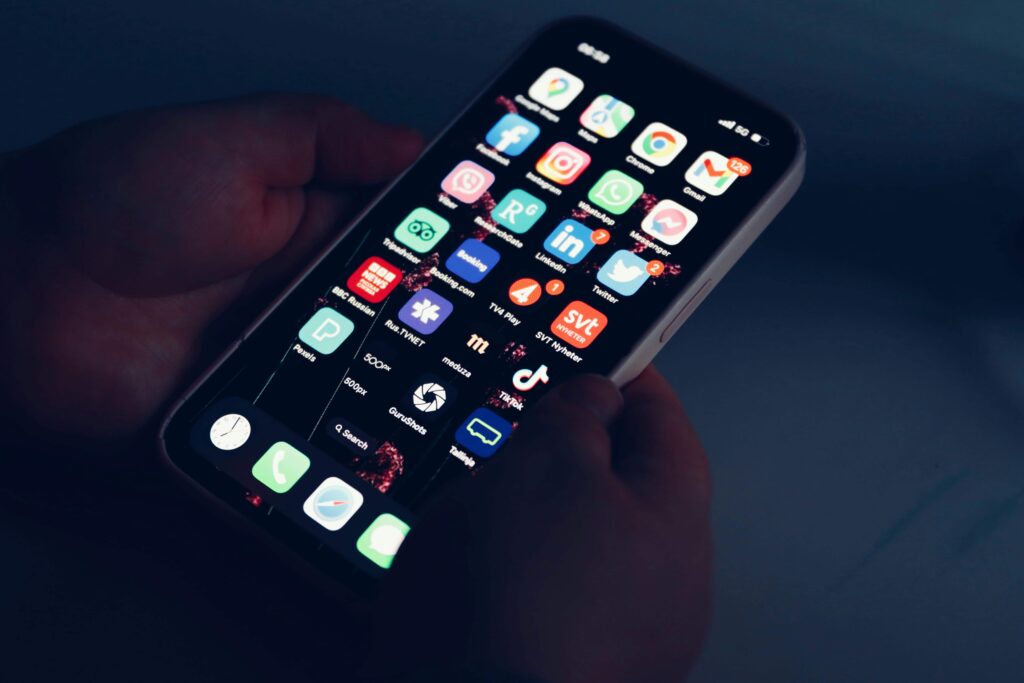
Have you ever thought your phone was vibrating or ringing, only to check and realize that nothing actually happened? That strange moment has a name: Phantom Vibration Syndrome (PVS). PVS occurs when a person believes their phone is vibrating or ringing even though there is no notification. In simple terms, the brain interprets a sensation that isn’t actually there. Because of this, PVS is classified as a tactile hallucination. This experience is quite common among smartphone users. Researchers believe that frequent exposure to vibration alerts can make the brain more sensitive to those sensations. Over time, the brain may begin to misinterpret other subtle physical signals, such as minor muscle contractions or movements, as the vibration of a phone. So the next time you think you felt your phone vibrate when it didn’t, don’t worry, it’s actually a fairly common psychological phenomenon.
6. Online Disinhibition Effect

You know those people who are more likely to troll, leave hateful comments, and bully online, but when you meet them in person, they can’t even say those things to your face? This is the Online Disinhibition Effect taking place. Online, some people self-disclose and feel more relaxed expressing their emotions or ideas than in person. There are so many reasons for this. One reason is that people feel like no one knows them, especially when they’re using a username that isn’t their real name. Also, because they can’t be seen, they often feel like, “I can see you, but you can’t see me, so I can do whatever I want.” Communication, as well, isn’t happening in real time, so they don’t feel that pressure to respond immediately when spoken to. Another reason is that there’s no “online police” present, so they feel free to do whatever they want with the expectation that nobody is regulating them. This is usually harmful when people use it the wrong way, like in cases of cyberbullying. On the other hand, the person on the receiving end might experience increased anxiety, depression, and emotional distress.
5. Availability Heuristic

If I asked you which animal is responsible for more human deaths each year, a hippopotamus or a lion, what would you say? But in reality, statistics show that hippopotamuses cause more deaths than lions. Why might you choose lions? Because you’ve probably seen more videos or you’ve heard more stories of lions attacking people. That’s where availability heuristic or availability bias comes in. It’s the idea that when we make decisions, we rely on the information that’s most available in our minds. The things we remember most easily, stories we’ve seen, experiences we’ve had, tend to shape how we judge situations. So in this case, lions feel more dangerous because your mind has more examples of them, even if the actual risk is lower. Research even shows we’re more likely to believe something is common simply because it comes to mind easily, even when it isn’t. Although this kind of thinking can protect you from danger, if the information is accurate. But then, it can also lead to bias, where your decisions or beliefs aren’t really based on reality, just on what’s most memorable.
4. Availability Cascade
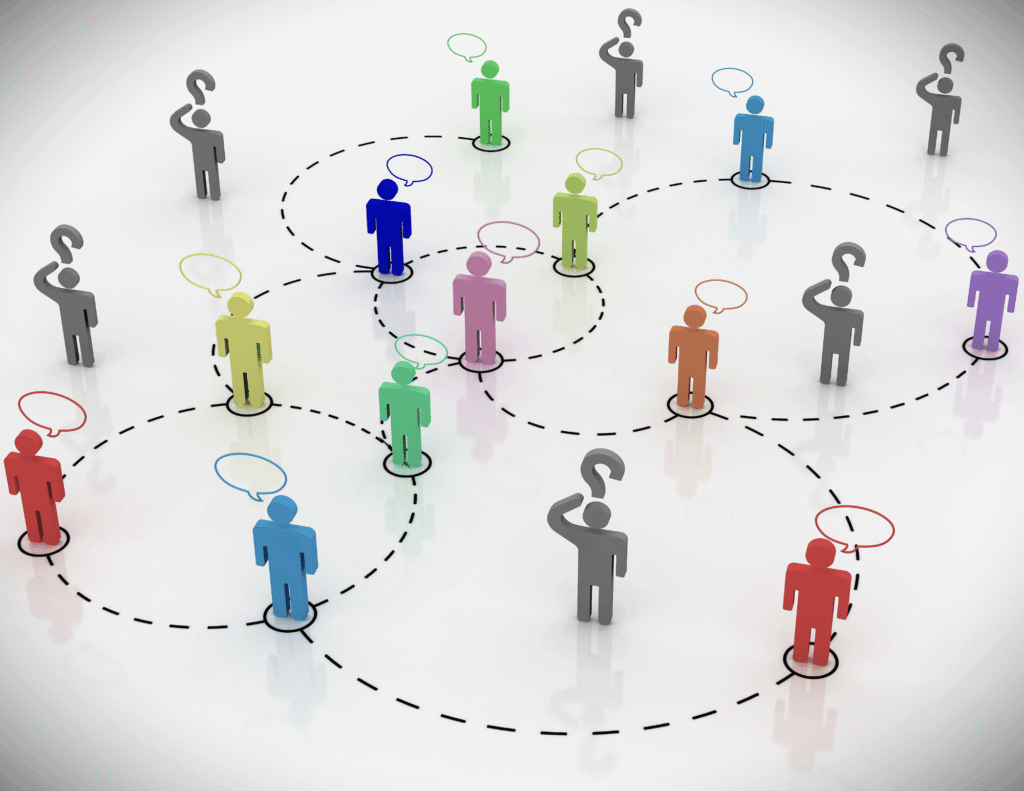
This is similar to the availability heuristic, but it’s a bit different. Availability cascade is basically a social phenomenon. It happens when an idea or belief keeps getting repeated so much in society that people start believing it must be true even if it’s not fully accurate. In simple terms: the more you hear something, the more likely you are to believe it, especially if other people around you also believe it. Let’s say everyone on social media keeps saying that avocado will instantly make you lose weight. You see it on Instagram, your friends talk about it, your favourite influencer posts about it… eventually, you start thinking it’s true, even if the science behind it is not solid. What happens is you’re looking for confirmation from other people, and you might ignore the information that disagrees.
3. Cheerleader Effect

This is also called the group attractiveness effect or friend effect. It happens when someone looks more attractive in a group than when you see them alone. You’ve probably experienced this without realizing it. Let’s say you see someone and think they’re just okay, nothing too special. But the next time you see them with their friends or siblings, you suddenly think they look more attractive. That’s the cheerleader effect. The first study on this found that faces seen in groups are perceived as more attractive than they actually are. Even very attractive faces are often just average, but when grouped, your brain judges them differently. This effect shows how context matters and how your perception of people can be influenced by the people around them. And just so you know, it’s not just about looks; it can also happen with confidence, energy, or vibe.
2. Name-Letter Effect

Pick a letter in your mind. Is that letter somewhere in your name? Was your answer yes? This is something called the Name-Letter Effect. It’s when people naturally prefer the letters that appear in their own names. You might have done this without realizing it. Maybe you chose a nickname that still uses letters from your real name. Or have you seen parents whose names start with a certain letter, and then they give all their children names that start with that same letter? That’s the Name-Letter Effect happening. And the fun fact is that researchers have studied this effect across different languages and cultures, and they’ve found that it appears almost everywhere. So even though you might not notice it, the letters in your own names can quietly influence the choices we make.
1. Earworm (Involuntary Musical Imagery)

You know when you hear a song once, and then later that same part keeps playing in your head over and over again? Most of us have experienced that. That phenomenon is called an earworm, also known as involuntary musical imagery (INMI). It happens when a short piece of music gets stuck in your mind and your brain keeps replaying it automatically. And it’s not just songs with lyrics. It can be a melody, a jingle, or even a short instrumental tune. Earworms are very common and completely normal, and for many people, they can last for minutes or sometimes even hours before they fade away.
You might be surprised to learn that many of these everyday psychological phenomena actually have official names. Sometimes, simply knowing what a psychological phenomenon is called helps you understand your own behaviour better and make sense of it. If you found this interesting, feel free to share it with someone who might enjoy it too.
Author: Chinasa Lovlyn Nwachukwu is a mental health coach and writer passionate about raising awareness across Africa.