
Every 10th of October is World Mental Health Day. To some people, it is a regular day like every other one. But to a mental health advocate, to someone who is struggling, to someone who has watched a person they love struggle, it is not just any day.
It is a day to be heard. A day to talk about the things we usually keep quiet about. A day to remind people that mental health matters as much as physical health, and that nobody should have to carry what they are carrying alone.
This year’s theme is Lived Experiences Heard: Real Voices, Real Change. It was set by the World Federation for Mental Health and adopted by the World Health Organization.
What it means is simple. The people who have actually lived with mental health conditions should be the ones shaping the conversation, not the ones being talked about from the outside. Their experiences should inform the policies, the services and the decisions that affect them.
And that concerns all of us. You, me, our families, our communities. Whether directly, because you have been through it yourself, or indirectly, because someone close to you has. Mental health is not something that happens to other people somewhere else.
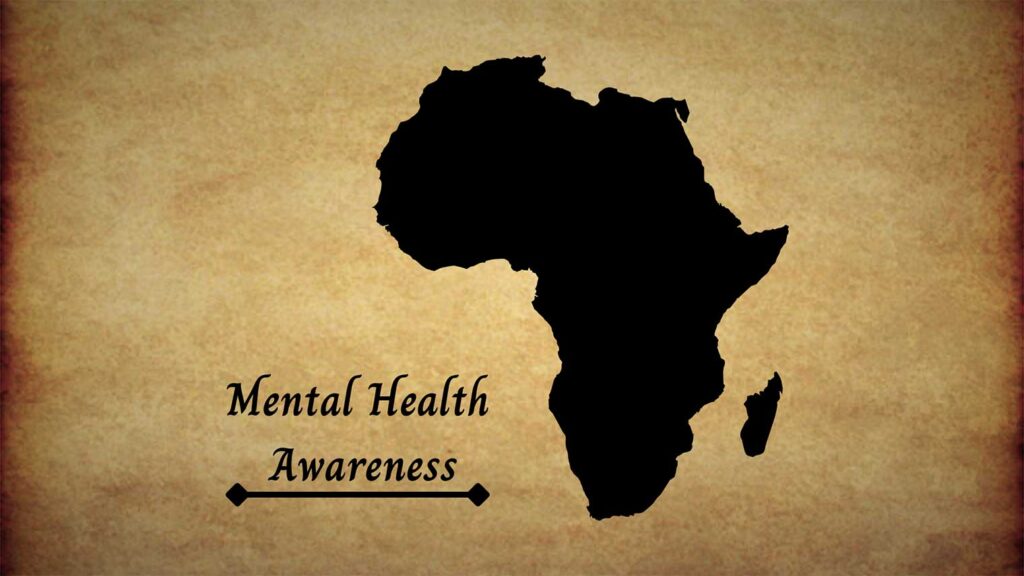
In Africa, this matters even more. We are still at a point where mental health is whispered about, where it is explained away as a spiritual attack or weakness, and where other myths and misconceptions keep people from getting the help they need.
Real voices are exactly what we are short of here. So a day that asks people to speak and asks the rest of us to listen is not a small thing for us.
What You Can Do to Support World Mental Health Day
These are things you can do to support World Mental Health Day, as an individual or as a community. And just a reminder before we start: you do not need to be a professional to help. You being human is already enough to work with.
1. Attend an event or join a webinar
There are usually a lot of events and webinars happening around this period, organised by individuals, NGOs and international organisations. Most of them are free. Find one happening in your community or online, register, and join. That way you stay involved and informed at the same time.
Some of them happen in the days leading up to the 10th rather than on the day itself, so it is worth checking early. And if you have missed one you wanted to attend, look for the recording. Most organisations publish them afterwards. You can also find a list of global mental health events here.
2. Make a social media post
You can make a video, a carousel, a single graphic, or just a written post. Whichever form you are comfortable with. You can do it alone, or get your friends together to make something for awareness and post it.
The point is simply to show your support and put the information out there. You do not know who will read it, who will benefit from it, or who it might help.
3. Volunteer with an NGO
Many NGOs run outreaches and activities around this period, so you can volunteer with them just for the day, or for the whole week. And if it is something you have more time for, you can look into volunteering with them long-term.
You can check our list of mental health NGOs in Africa to find an organisation near you to volunteer with.
4. Organise a support group with your friends
This can be online or in person, and it does not have to be a big thing. Just you and your friends coming together to talk, share experiences, and support one another.
If you would rather not do it with close friends, you can create a group with people you know or people connected to people you know. Sometimes it is easier to talk to someone who is not in your everyday life.
5. Check on people individually
Your family members, your friends, your colleagues. There are people you can simply reach out to and check in on.
We hear so often about how many people are struggling quietly, and how things might have been different if somebody had just reached out to them. Maybe you can be that somebody.
6. Do a placard campaign
Write an awareness message on a piece of cardboard or any paper you can find, and stand with it somewhere public. By the roadside, at the marketplace, anywhere there is a crowd.
This one takes courage, so if it is something you are bold enough to do, gather a friend or two and do it together. It reaches people who would never see a social media post.
7. Write something
A poem, a blog post, an article, anything at all. If writing is what you do, use it. Put something out that people can read, and let it be your way of showing support and helping someone around you understand the day a little better.
8. Donate to a mental health organisation
One thing mental health NGOs struggle with constantly is funding. So do not worry that what you have to give is too small. If your contribution helps even one person feel better, it has done something. Find mental health NGOs you can donate to.
9. Offer what you already have
If you are a designer, offer to make a free graphic for an NGO’s social media. If you are a teacher, use one class to educate your students about it. If you are an artist, make something. If you write songs, sing about it.
Whatever skill you have, think about how you can use it to support the day. That is often worth more to an organisation than anything else you could give them.
10. Share resources
Share the resources that helped you personally, or the ones you know others could use. You can share our directory of mental health service providers with people in Nigeria, share this blog post or other social media posts that support World Mental Health Day.
Even though you did not create them, sharing means reaching more people, and that is just as valuable as making something yourself.
You can also read: How to Observe Mental Health Awareness Month in Africa
Conclusion
Ten is a lot of things to do, and I am not saying you should do every single one of them. You can do just one. One is enough to make an impact.
And although the 10th is World Mental Health Day, that does not mean the conversations and the activities have to end there. You can still do some of these things on a random Tuesday in January, and the impact will be the same.
Whichever one you choose, remember the lived experiences of the people this day is actually about. Do not approach it from the outside, as though it is something happening to other people somewhere far away. Do it as yourself, as someone this concerns personally, because it does.
And if you are the one with the lived experience, the one going through it, this is your opportunity to speak about it if you want to. To encourage other people to speak out, to create that awareness, to make that impact. You do not have to put yourself out there for the whole world to see. An impact within your small circle is still an impact.
Finally, check out our mental health awareness days calendar so you can stay up to date with other awareness days throughout the year, and keep the conversation going long after October.
Author: Chinasa Lovlyn Nwachukwu is a mental health coach and writer with an MSc in Psychology. She has spent the past four years creating mental health awareness across Africa and writes about the conversations we still find hard to have.