
Stereotypes and mental health are two things we rarely talk about together.
I started thinking about this while preparing for a roundtable discussion on how Gen Z can tell the China-Africa relationship stories. Stereotypes kept coming up, as they always do in conversations like that. And as a mental health advocate, my mind went somewhere else entirely.
We talk about stereotypes, usually from a political or social angle, and how they affect a particular group of people. And we talk about mental health, which is a broad topic on its own. But we almost never connect the two. I think we should.
As an African, there are plenty of stereotypes you deal with. Some of them you laugh off. Some of them you correct. Some of them you carry quietly without ever mentioning it to anyone.
This post is not about the medical side of things or what the research says. It is about what this feels like from the inside, from my own experience and from what I observe around me. And there is one question I want us to keep at the back of our minds all the way through: why do we never talk about what stereotypes cost us mentally?
Where Our Ideas About Other People Come From
Before I left Nigeria, I saw myself as an Igbo girl. That was my identity. Then I moved to China to study, and almost overnight I became a black person. To this day I still struggle to say that. It feels closer to the truth to say I am African, but that is not how I get read while living abroad.
When you start having conversations with people from other countries, you hear things about your own place that leave you confused. Someone will tell you something about your country as fact, and it sounds like information you have never encountered in your entire life. You were born there. You grew up there. And here is a stranger explaining it to you.
I was recording a promotional video once, and they handed me a script to read. Most of it was fine. Then I got to a line that said I wished we had technology in my home country. Technology? Not better technology, not more advanced infrastructure, which I would have read happily, because that is what we are all working towards. Just technology, as though I had come from a forest.
What annoyed me the most was that somebody wrote it, somebody approved it, and it reached me without anyone along the way stopping to ask whether it made sense.
When I started consuming content on Chinese social media I began to understand where some of this comes from. Most of it comes from what people see online, and we all know how that works now. Information gets shaped along the way, framed to pull an audience, because the version that gets attention is rarely the accurate one.
What nobody considers is the connection between stereotypes and mental health, because these are real places with real people in them, and those people are the ones left living with the version that travels. I am not saying there are no stereotypes about every place. Wherever you come from, something is said about you. But for some places, it is just too much.
Also read: How to Overcome Mental Health Challenges while Living Abroad
The Work Nobody Sees You Doing
When someone says something to you, your mind starts working immediately. You are thinking about what the best response would be. You are also wondering whether it is even worth responding, or whether you should just let it go this time.
And sometimes you let it go, because you are tired, or because you have already done this three times that week. But then you carry that too, because now the thing has been said and nobody corrected it.
Then there is the other part, which is being careful not to replace one stereotype with another. You correct something, and in correcting it you hand them a new assumption to hold. So you are managing both at once. Disproving one thing while trying not to confirm something else.
Underneath all of it is the hardest part. You are just trying to live your life as yourself. But you know that to the person in front of you, you are not only yourself. You are representing a whole group of people, a whole country, a whole continent. Whatever you do becomes evidence about everybody who looks like you.
Nobody hands you that responsibility. Nobody asks whether you want it. You just find yourself carrying it.
And it is constant. That is where stereotypes and mental health meet, and it is the part people do not understand. It is not one conversation you can prepare for and move past. It is every room, every introduction, every casual comment, over and over, for as long as you are here.
What Stereotypes and Mental Health Have to Do With Each Other
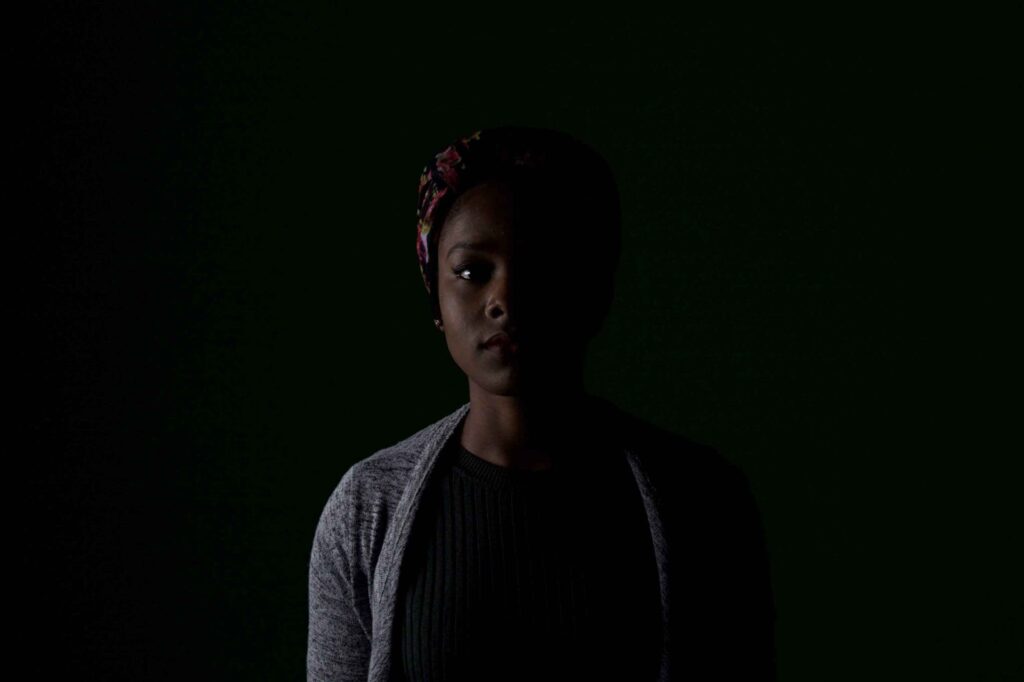
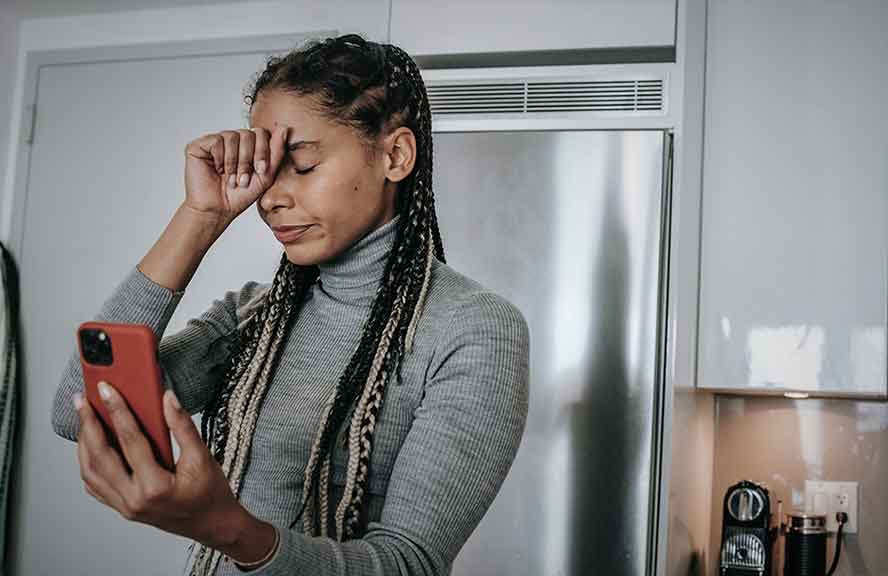
Here is what we do not notice. It is very easy to become hypervigilant. You start paying attention to what you are doing, how you are coming across, what might be read into it, especially when you are among people who hold that stereotype about you. You are self monitoring constantly and it feels like being on duty the whole time you are in the room.
There is a name for this. Psychologists Claude Steele and Joshua Aronson called it stereotype threat, the risk of confirming a negative stereotype about your own group. Their research found that it increases stress and takes up mental capacity, so your focus goes into managing the fear instead of into whatever you are actually supposed to be doing. Over time, repeated experiences of it wear down your confidence and your sense of belonging in a space.
So this is not a feeling people are imagining. It has been studied.
Now the other side. The person spreading the stereotype usually means no harm. Sometimes it is a joke. Sometimes it is just something they picked up somewhere and accepted as true. I have met plenty of Chinese people who ask questions, and you can tell it comes from genuine curiosity. They are not mocking you. They heard something and they want to know whether it is actually true.
But that does not excuse it. And it does not make the stereotype any less heavy to carry, or affect you any less, just because the person handing it to you meant well.
Why This Matters for Africa
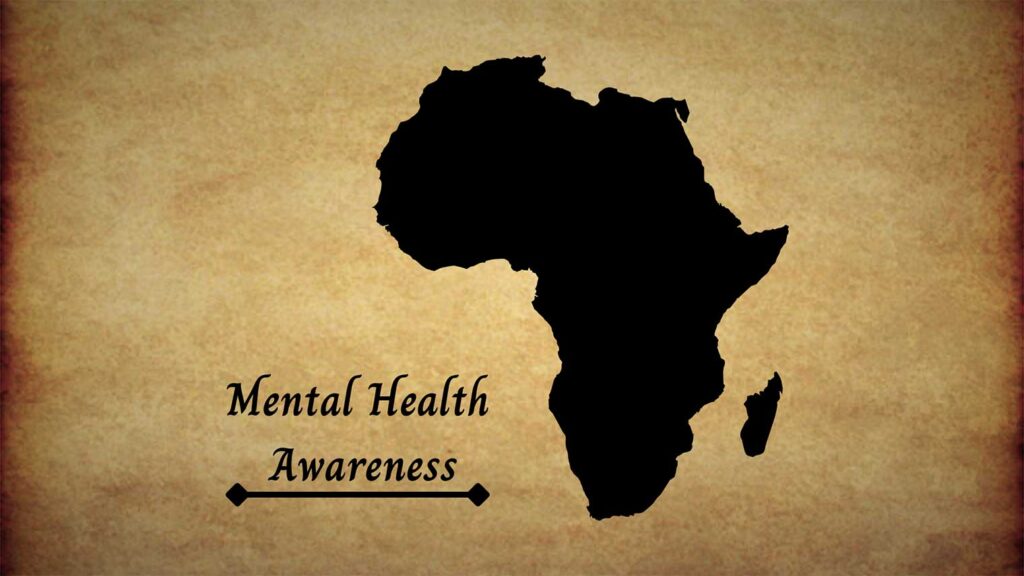
Stereotypes about Africa seem to be more common than about anywhere else. I am not going to try listing them, because that is impossible. But if we are the ones carrying most of them, then we should be the ones having this conversation.
And not just the usual conversation about how unfair they are. I mean talking about stereotypes and mental health together, and what they actually do to our minds. We also have stereotypes between African countries, which is its own problem, and there is a lot of it.
So when we get the opportunity to share our own stories, we have a responsibility to take it. If other people are telling our stories wrongly, then we are the ones who have to tell them properly. Not by defending ourselves or justifying anything, but by showing how things actually are. We have social media now, and we should use it to share real and authentic stories of how life actually is.
And for the person on the other side, when they get the opportunity to come and experience the real situation for themselves, they should share it the way they found it, not add fuel to a fire that is already burning.
Conclusion
Stereotypes and mental health is one connection we are not talking about enough. We treat stereotypes as a cultural issue or a political one, and they are both of those things. But they are also something that affects us individually, every day, in ways nobody sees.
It affects how we see ourselves and how we relate to other people. That is a big deal. So let us start talking about it that way.
Author: Chinasa Lovlyn Nwachukwu is a mental health coach and writer with a master’s degree in psychology. She writes about mental health in Africa and the conversations we still find hard to have.
If you need help or know someone struggling with their mental health, please visit our resource page.